
Menu Guide — Toronto
What You Can Order on the Wingstop Menu
The Wingstop menu is smaller than a typical casual restaurant, and that is the point. Almost everything starts with one decision: which chicken, and which flavour goes on it.
Start with the chicken, not the sauce
Every order at wing stop begins with a protein choice. Classic bone-in wings, boneless wings, and chicken tenders are the three main paths, and they behave differently once sauce hits them.
Bone-in wings have skin and a bone, so the coating clings and the texture holds through the bite. Boneless wings are breaded pieces, closer to a nugget in the bite, and they pick up sauce evenly. Tenders are strips, and they are the item people order when wings are not the goal.
Choose the format first. The flavour decision comes after, and it will taste different on each format.
How to read this page
Pick bone-in for texture
Skin-on wings hold coating and stay crisp on a short trip home.
Pick boneless for sharing
No bones, fast eating, even sauce cover. Good for kids and mixed tables.
Pick tenders for non-wing eaters
Same seasonings, strip format. Lets one order cover the whole household.
The three formats
Classic bone-in wings
These are the wings most people picture: two segments, skin on, fried and then coated. They take longer to eat and they reward that effort with more texture per bite. If you are ordering for a table that wants the full wing experience, this is the base of the order. A typical group order scales these by the dozen.
Boneless wings
Boneless wings are the practical choice for sharing. No bones means faster eating and no fuss for kids, and they take sauce evenly across the whole piece. The trade is texture: without skin and bone, the bite reads more like breaded chicken than a traditional wing. If your group includes anyone who will not deal with bones, order boneless alongside bone-in rather than replacing one with the other.
Chicken tenders
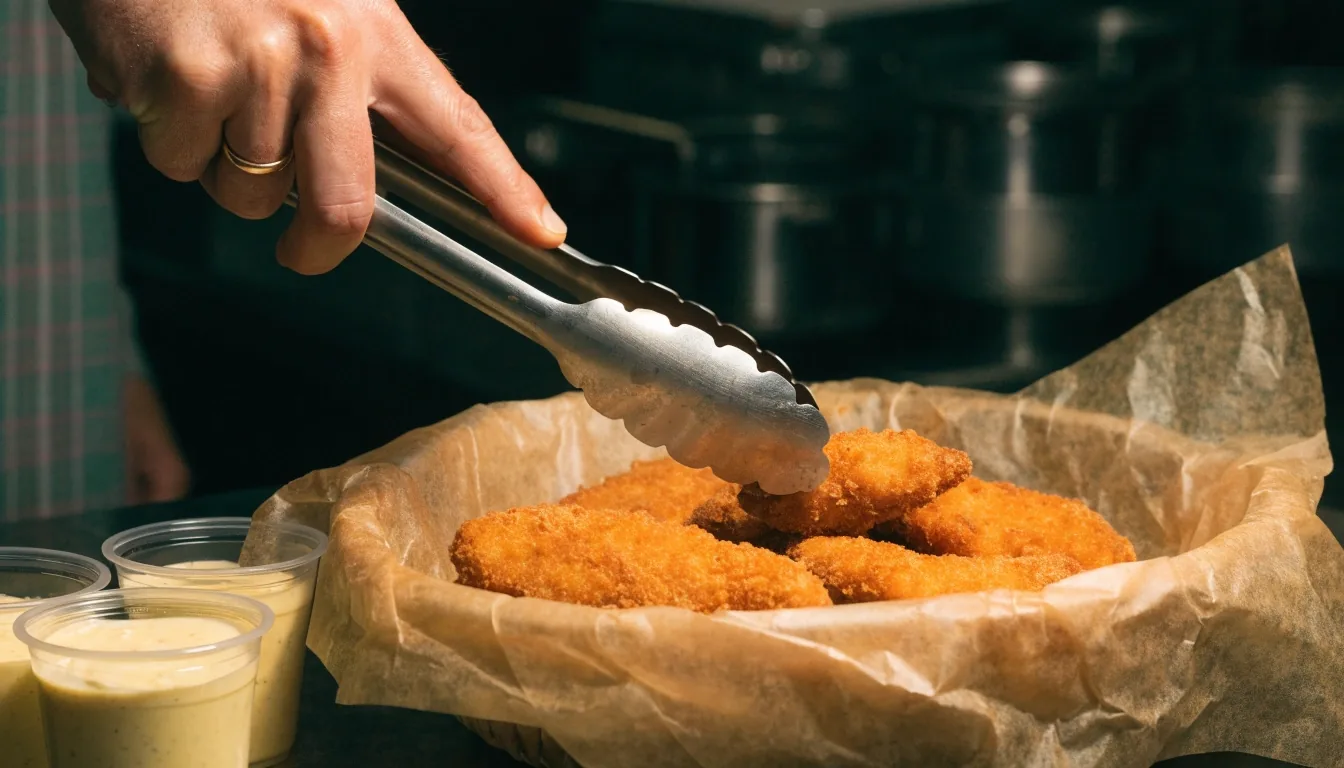
Tenders extend the wingstop menu past wings, and they are the reason a mixed household can order from one place. They take flavour coatings the same way wings do, so a Cajun tender and a Cajun wing share a seasoning profile but eat very differently. Order them for the person who wants chicken without the wing format.
From the counter
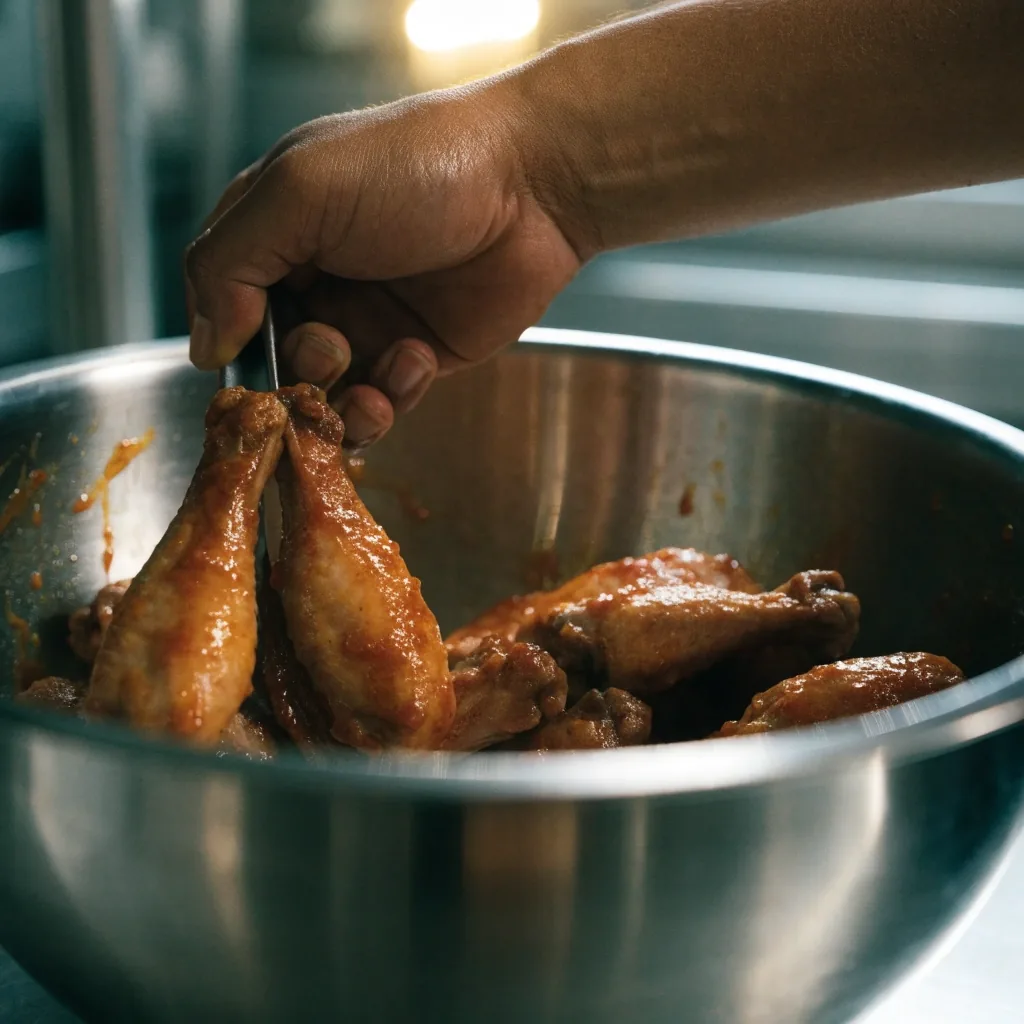
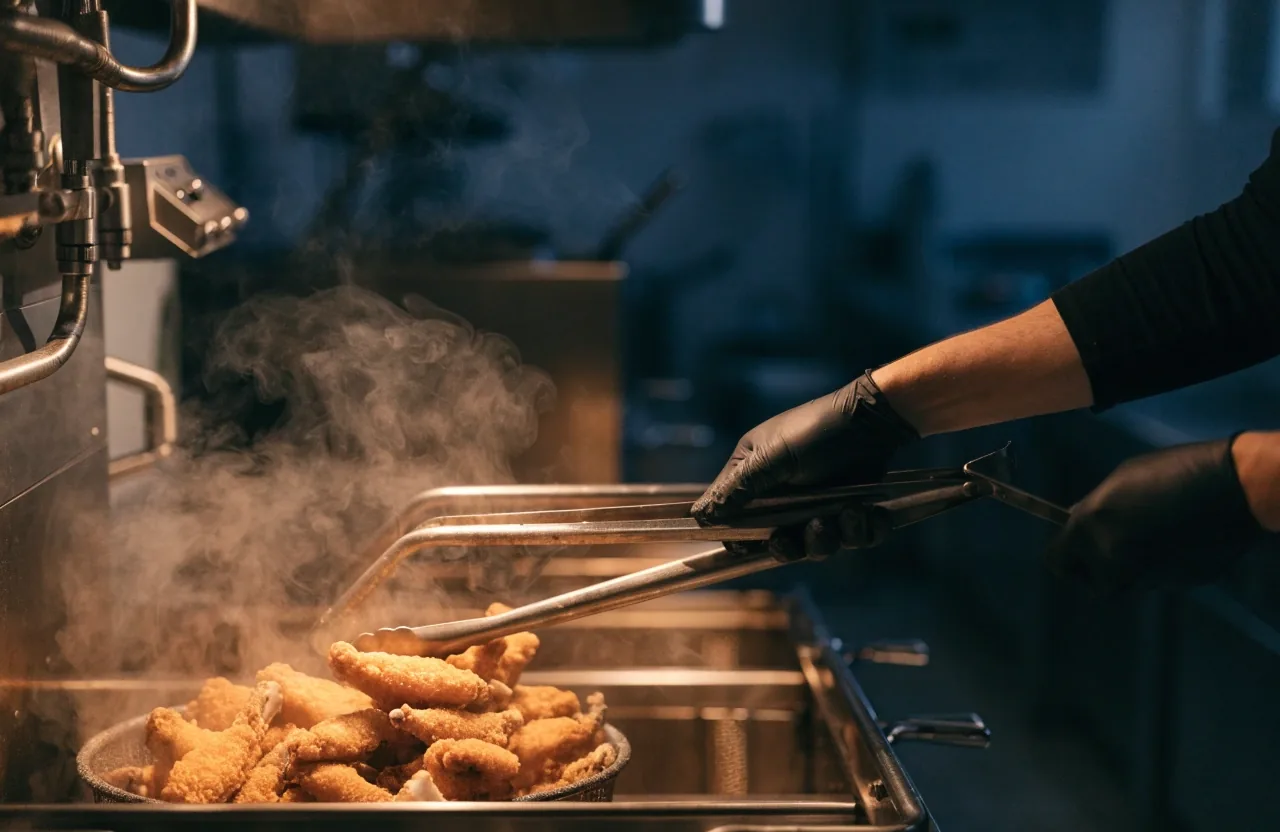
Coating happens right after the fry. Bone-in holds the gloss in the skin folds; boneless soaks it into the breading.
1200 Bay St, Toronto — 11:00 to 23:00 daily
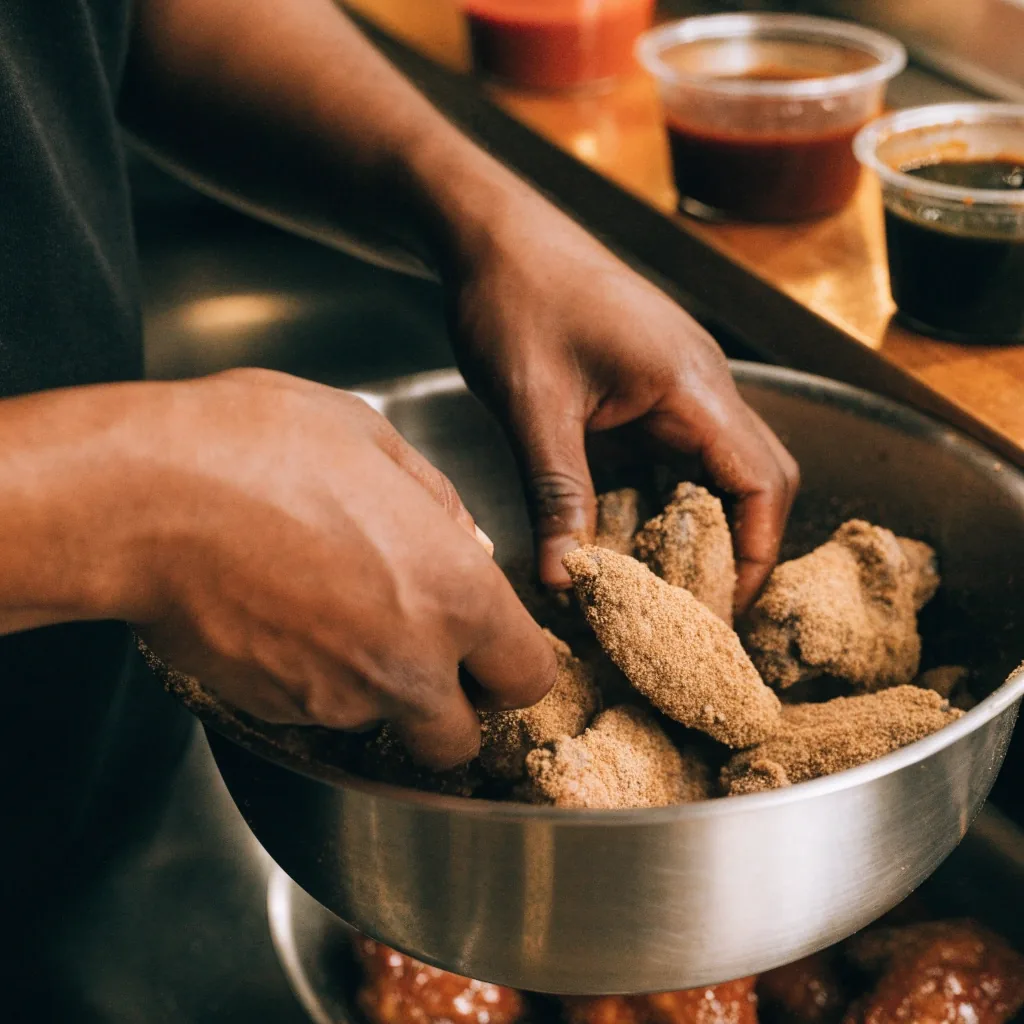
Sauces look glossy up close. Dry rubs stay matte and crisp.
Combos and how they are built
A wing combo typically pairs your chosen chicken and flavour with fries and a drink. It is the simplest way to order for one person and the easiest way to avoid over-ordering for a small group.
The combo does not change what the wings are; it bundles the sides you were probably going to add anyway. If you are feeding three or four people, it is usually cheaper and more flexible to order wings by count and add fries separately.
Read the current build at the counter, since combo contents can shift by location.
Dips: ranch, bleu cheese, and why they matter
Dips are not decoration here. Housemade ranch and bleu cheese are the standard pairings, and each one changes how a flavour reads. A creamy dip softens a hot sauce and rounds off a dry rub.
Bleu cheese has more bite and pairs well with Cajun and Original Hot. Ranch is the safer all-rounder and the better match for sweet flavours like Hawaiian. If you are ordering several flavours, get both dips so the table can match them.
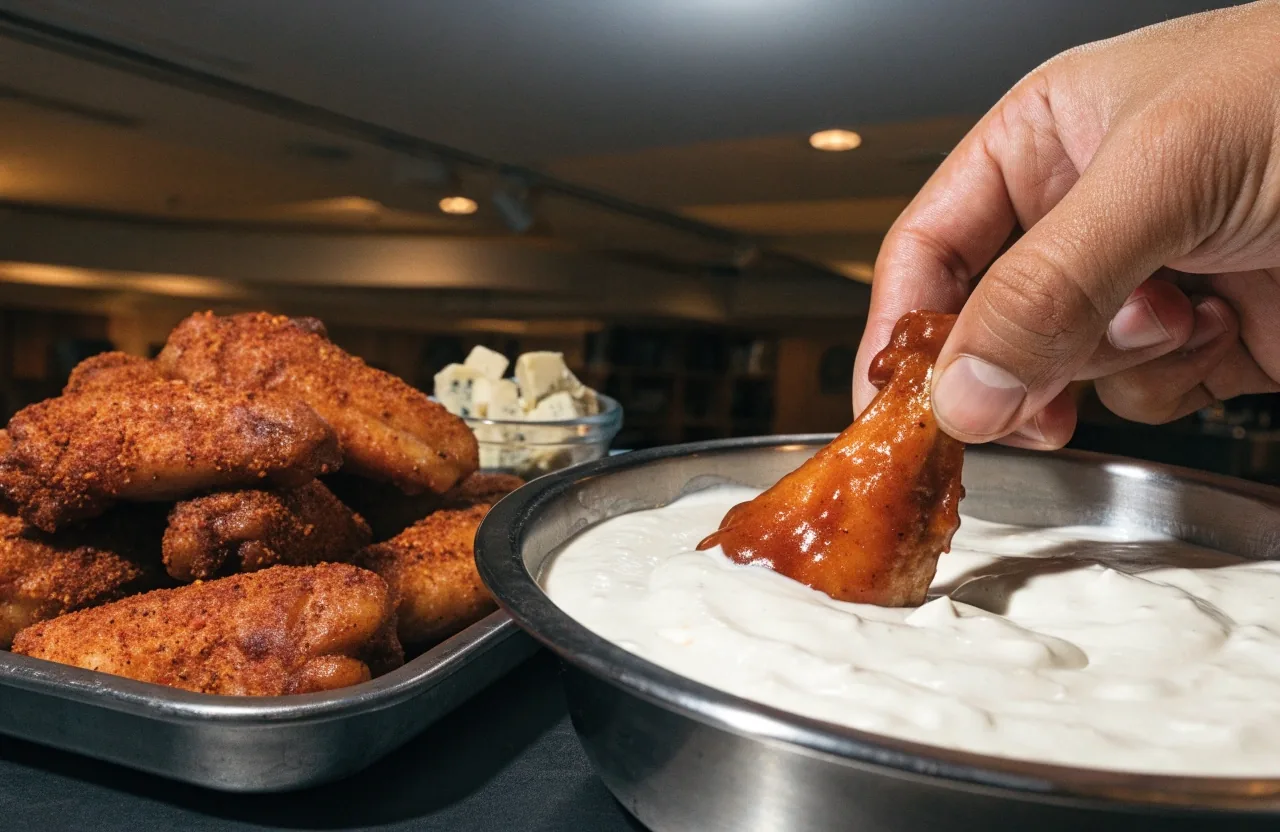
Left glossy, right dry — same chicken, different bite
Dry rubs versus sauces: pick texture first
Sauces — wet and glossy
Sauces are wet, glossy, and heavier. They cling to bone-in wings well and pool a little on boneless pieces. If you eat in the room, sauce gives you the fullest flavour hit.
For takeout, eat fast — steam softens the gloss on the ride home.
Dry rubs — crisp longer
Dry rubs are seasoned coatings with less moisture, which keeps the exterior crisper for longer and makes them the better choice for takeout. Cajun is the rub to learn first.
If texture matters to you, pick rub or sauce first, then pick the flavour name.
Ordering for two, four, or a crowd
The math is straightforward once you know your group. Two people who eat a normal amount usually land around a dozen wings total plus a shared side. Four people who are genuinely hungry can push toward two dozen with a couple of flavours in play.
The failure mode is ordering one flavour for everyone and finding out too late that half the table wanted something milder. Split the order across two or three flavours and add tenders if there is a non-wing eater.
What to skip if you are new
Do not start at the top of the heat scale
Pick a mid-range flavour, get one dip, and see how the coating sits with you before committing a large order to it. Our heat scale walks through the order from mild to hot.
Do not order four flavours for two people
You will end up with leftovers that do not reheat well. Two flavours and one dip tells you more on a first visit.
Do not assume boneless and bone-in taste the same
They do not. One visit with a modest order — bone-in in one flavour, boneless or tenders in another — tells you more than reading a menu twice.
Checking the menu before you go
Menu items and flavour availability can vary by location, and in Canada the footprint is still small enough that this matters. Before a trip, confirm the location is open and whether it offers takeout, delivery, or dine-in.
Fries and sides are usually consistent, but the chicken lineup and combo builds are worth a quick check. The guide address is 1200 Bay St, Toronto, ON M5R 2A5, open Monday to Sunday from 11:00 to 23:00. Call +1-416-555-0198 if you are unsure what a location carries that day.
Our Canada growth guide covers location context, and the flavour heat scale handles the heat question. Plan your order around the heat levels, not around the photos.
Next steps
Plan your order around the heat levels
You know the formats. Now match them to heat, then check what is open near you in Canada.
See the flavour heat scale Read about Wingstop in Canada Questions? Contact the guide team